

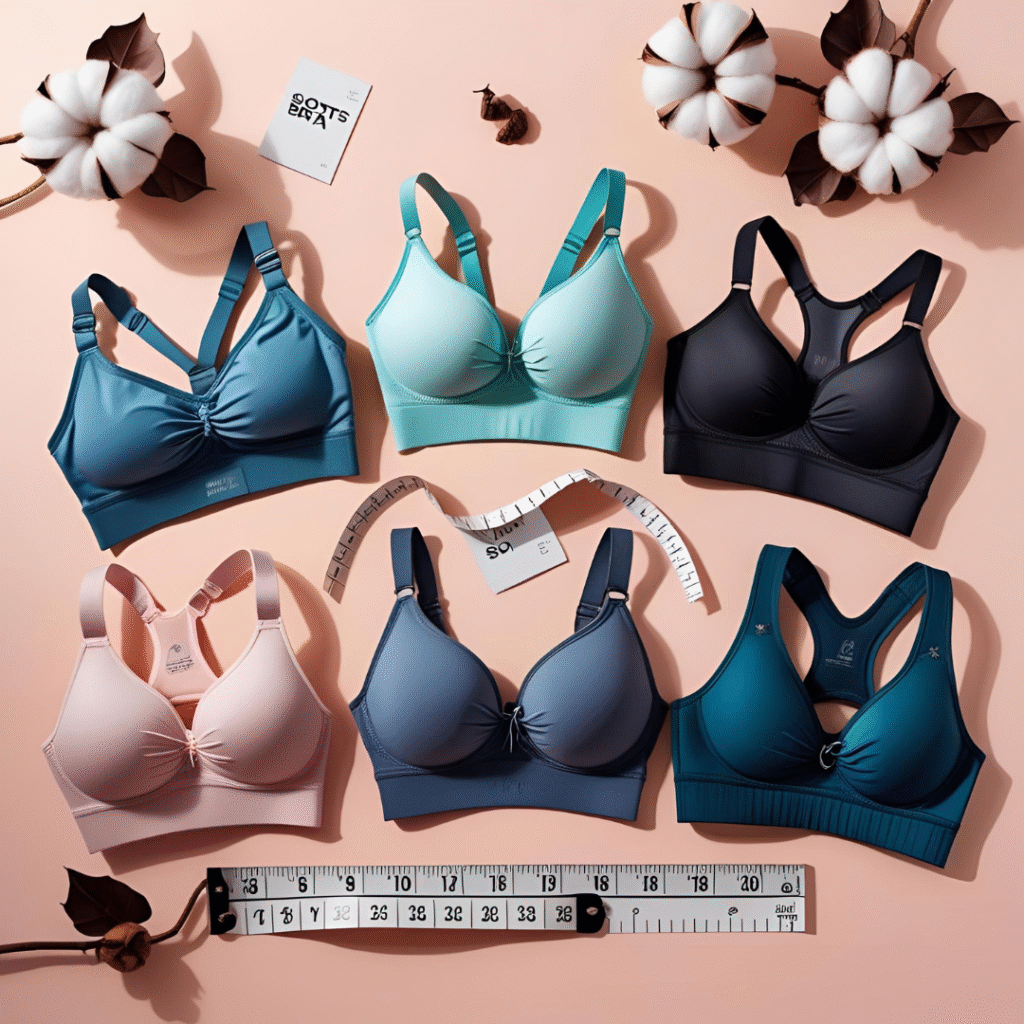
Shopping for a teenager’s first bra isn’t just about straps and sizes—it’s a rite of passage. It marks a subtle but powerful shift in identity, signaling a new stage of growing up. For many teens, the first bra can stir a mix of pride, awkwardness, and a desire for comfort—both emotional and physical.
During puberty, the body undergoes rapid and sometimes unpredictable changes. Breasts begin to develop at their own pace, and what fits one month might feel tight or unsupportive the next. That’s why understanding how to find the right bra size—and style—matters more than ever.
In this guide, we’ll break down everything you need to know: how to measure for a proper fit, why a well-fitted bra makes all the difference, the key bra styles that work for teenagers, and how to avoid common first-time mistakes. Whether you’re a parent helping your daughter navigate this milestone or a teen figuring it out for yourself, this guide is designed to support you—literally and figuratively.
Understanding Teen Bra Sizes: A Quick Primer
When it comes to teen bra sizes, there’s no universal blueprint. Most teenagers will find their size somewhere in the range of AA to D cup sizes and beyond, depending on how their bodies are developing. But here’s the twist: breast development doesn’t follow a schedule—and it certainly doesn’t come with an instruction manual.
That’s why “one-size-fits-all” is a myth. Every teenager’s body grows at its own pace. Some may need structured support early on, while others might start with lightweight options like training bras. What matters is finding what fits right now, not what the tag says should fit at a certain age.
To add another layer of complexity, bra sizes aren’t consistent across brands. A B cup in one label might feel like a snug A or a roomy C in another. Fabric stretch, cup shape, and strap design can all affect how a bra actually fits—regardless of the size printed on the label. That’s why using a brand-specific size chart (and being open to trying a few styles) is key to getting it right.
In short, bra sizing for teens is more of an evolving conversation than a fixed equation, and flexibility is everything.
How to Measure a Teenager’s Bra Size Step-by-Step
To find the right bra size, you need two measurements: around your chest (band) and around your breasts (bust).
With just a soft measuring tape, a mirror, and a few minutes, you can get a solid starting point for sizing.
1. Band Size Measurement
Place the measuring tape tightly around your chest, right under your breasts. Make sure it’s level all the way around and not twisted.
- Take the measurement in inches.
- If the number you get is even, that’s your band size.
- If it’s odd, round up to the nearest even number.
Example: If the measurement is 29″, round up to a 30 band size.
2. Bust Measurement (Cup Size)
Now measure around the fullest part of the bust—typically over the nipples—keeping the tape comfortably snug and parallel to the floor. Don’t pull too tight.
3. Calculating the Cup Size
To find your cup size, subtract the band number from the bust number.
- 1” difference = A cup
- 2” = B cup
- 3” = C cup
- 4” = D cup, and so on.
Example: Bust = 33″, Band = 30″ → 3” difference = C cup
Final size: 30C
4. Tips for Accuracy
- Measure while standing straight but relaxed.
- Use a mirror to ensure the tape is level.
- Avoid measuring over bulky clothing.
- Re-measure every 6 to 12 months, especially during puberty growth spurts.
- Don’t be afraid to try multiple sizes—comfort trumps the number on the tag.
Why It’s Okay if the First Fit Isn’t Perfect
Your body is changing—and so is your bra size. What fits today might not work in three months, and that’s totally normal. The first bra isn’t meant to be forever. It’s meant to help you learn what feels good, what supports you, and what lets you move confidently through your day. Trial and error isn’t a failure—it’s the process.
How a Proper Fit Impacts Comfort & Health
A well-fitted bra does more than just sit nicely under a T-shirt — it actively supports a teenager’s physical well-being and confidence during a crucial time of growth and change.
1. Preventing Neck, Back, and Skin Strain
An ill-fitting bra can dig into the skin, ride up the back, or leave the shoulders aching by the end of the day. Without proper support, especially for developing breasts, the weight distribution can put strain on the neck, shoulders, and upper back. Over time, this can lead to posture problems, skin irritation, and unnecessary discomfort — all of which are avoidable with a better fit.
2. The Psychological Boost of the Right Fit
There’s power in feeling comfortable in your own body — and the right bra plays a subtle but significant role in that. A good fit helps reduce self-consciousness, allows for freer movement, and can give teens a quiet but important boost of self-confidence. When a bra fits well, it becomes invisible — not in sight, but in sensation. It doesn’t distract or restrict. It simply supports.
3. Supporting Breast Tissue Health
Proper support also helps preserve the integrity of breast tissue, which is still forming and changing during the teen years. Wearing the right bra can prevent premature sagging and help maintain natural shape over time. Think of it as a long-term investment in both comfort and breast health.
In short? The right bra isn’t just a wardrobe staple — it’s a wellness tool.
Exploring Bra Styles for Teenagers
As teenagers begin wearing bras, comfort and adaptability are key. Thankfully, there’s a wide range of bra styles tailored to meet different needs, stages of development, and lifestyles. Here’s a breakdown of the most common types:
Training Bras
Perfect for those just starting out, training bras are lightweight, soft, and usually unlined. They give soft support without feeling tight — perfect for getting used to wearing a bra comfortably.
Soft Cup Bras
These wire-free bras offer more structure than a training bra but still prioritize comfort. With thicker fabric and a supportive shape, soft cup bras are great for everyday wear and provide a smooth, natural silhouette.
🏃 Sports Bras
Whether it’s gym class or daily movement, sports bras are built for activity. They feature sturdier straps and wider bands for better support, while the stretchy fabric accommodates growth and prevents bounce, especially helpful for sensitive, developing breasts.
T-shirt Bras
These bras are designed to be invisible under clothes, offering seamless coverage with light padding. They’re a go-to for teens who want a sleek, smooth look under tighter tops or school uniforms.
Underwire Bras
Reserved for teens with fuller or more developed breasts, underwire bras offer maximum lift, separation, and support. The U-shaped wire beneath each cup helps distribute weight evenly — but comfort should always come first, so it’s important to try them on and assess the fit carefully.
Pro Tip: What to Look for in Any Bra
- Adjustable straps to grow with your body
- Cotton or microfiber fabrics for breathability
- A secure underband that stays in place without digging in
The right style isn’t just about looks — it’s about feeling supported, confident, and at ease.
How Often Should You Re-Measure?
Teenage bodies don’t follow a set schedule — and neither does bra size. Between growth spurts, weight fluctuations, and hormonal changes, it’s completely normal for bra fit to shift over time.
That’s why regular re-measurement is key. As a general rule, aim to check your size every 6 to 12 months, or sooner if a bra starts to feel tight, loose, or just not quite right. Discomfort, gaping cups, or slipping straps are all signs it’s time for a fit check.
Re-measuring regularly ensures that support and comfort grow right alongside you — because your bra should adapt to your body, not the other way around.
Mistakes to Avoid When Buying a Teen Bra
Buying a bra for the first time comes with a learning curve — and a few common pitfalls. Here’s what to steer clear of:
1. Relying Solely on Age
Age is not a sizing system. Two 13-year-olds can have completely different body types and support needs. Always base bra selection on measurements and comfort, not a number on a birth certificate.
2. Sticking to One Brand Only
Brand loyalty can be limiting, especially when sizing and fit vary widely across manufacturers. One brand’s B cup could feel tighter or looser than another’s. Trying multiple brands (and styles) gives you a better shot at finding the right fit.
3. Ignoring Discomfort Signs
A bra that rides up, digs in, pinches, gapes, or leaves marks is waving a red flag. Discomfort isn’t just annoying — it’s your body telling you something’s off. If a bra doesn’t feel right, it isn’t right.
The best rule? Comfort first, always. A bra that fits well should feel like a quiet support system — not a daily distraction.
Final Thoughts: Confidence Starts with Comfort
Finding the right bra isn’t just about measurements and styles — it’s about feeling good in your own skin. A proper fit offers more than support; it brings ease, confidence, and freedom to move through the day without distraction or discomfort.
To recap:
- Bra sizes for teens vary widely — measure regularly and don’t rely on age alone.
- Comfort is key: the right style will feel supportive, not restrictive.
- Trying different brands and styles is part of the process.
- And most importantly, don’t ignore what your body is telling you.
Whether you’re a teen navigating this change firsthand or a parent offering guidance, remember: this is a learning experience, not a one-time purchase. If possible, visit a store for a professional fitting, or use online tools and brand-specific charts as a starting point. Re-measure every few months, be open to trying new styles, and trust that with each step, it gets easier.
Because in the end, confidence doesn’t come from a label — it comes from comfort that fits just right.
Frequently Asked Questions (FAQ)
1. What is the average teenage bra size?
There’s no “one-size-fits-all,” but many teenage girls fall within the 30A to 34B range. Keep in mind: average doesn’t mean standard — breast development is highly individual and depends on genetics, hormones, and body type.
2. What is the bra size of a 14-year-old?
A 14-year-old might wear anything from a training bra to a 34C — it all depends on where she is in her development. Some may still be starting out, while others may need full-support bras. That’s why measuring is always better than guessing.
3. When should a teen start wearing a bra?
When she feels physical discomfort during activity, wants more coverage under clothes, or notices breast development — it’s time. Some start as early as 9, others not until 14 or later. It’s about readiness, not age.
4. What type of bra is best for beginners?
Training bras and soft cup bras are excellent starters. They’re lightweight, wire-free, and offer just enough support to ease into the habit without pressure or discomfort.
5. How often should a teenager be remeasured for bra size?
At least every 6 to 12 months, or sooner if bras start to feel tight, loose, or uncomfortable. Puberty is full of sudden changes — sizing should keep pace.